 Loyalty Program

Schneider Electric replacement parts for HVAC systems ensure smooth operation, precise temperature control, and optimized airflow. These components, including valves, actuators, motors, and thermostats, maintain system efficiency, prevent malfunctions, and extend equipment lifespan.
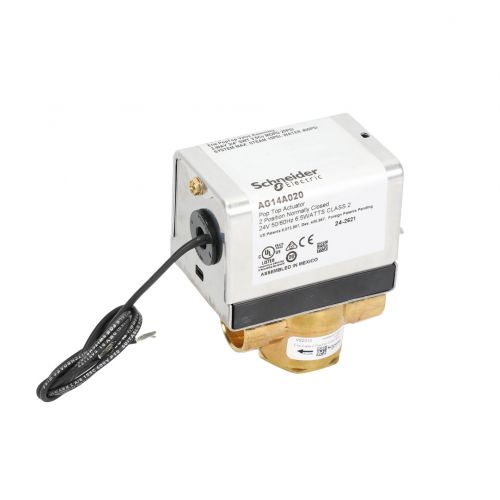 -13%Schneider Electric (Erie) VS2313G14A020 2-Way N/C S/R High Temperature Valve Assembly 3/4" Sweat 25# 24VSpecial Price $153.94 Regular Price $177.03
 -13%Schneider Electric (Erie) VT2342G13A02A 2-Way Zone Valve N/C 2.5 Cv 3/4" Inverted Flare W/End Switch Replaces 0767B 24VSpecial Price $106.54 Regular Price $122.52
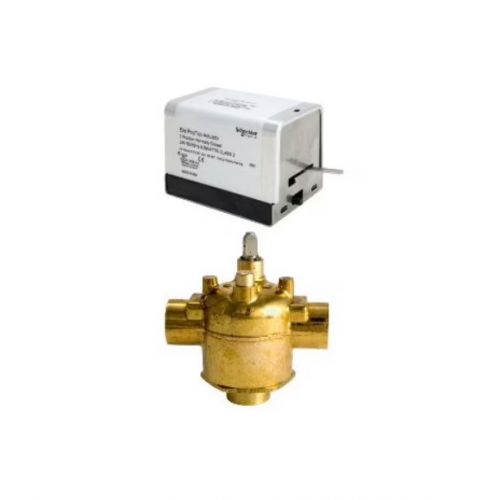 -13%Schneider Electric (Erie) VT3417G13A02A 3-Way N/C Zone Valve 1" Sweat 18" Leads W/Auxiliary Switch 7.0Cv 24VSpecial Price $153.56 Regular Price $176.59
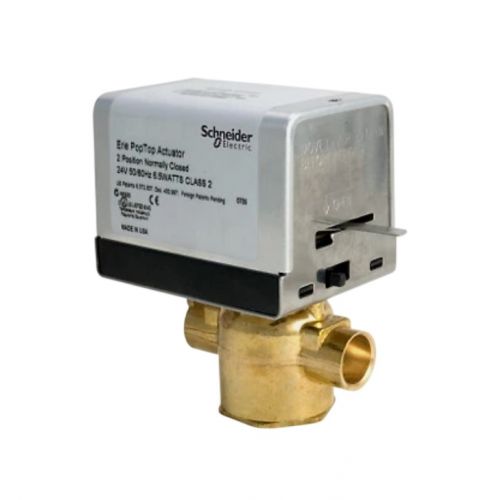 -13%Schneider Electric (Erie) VT2212G23B020 2-Way N/O Motorized Zone Valve 1/2" Sweat 2.5Cv 120VSpecial Price $113.79 Regular Price $130.86
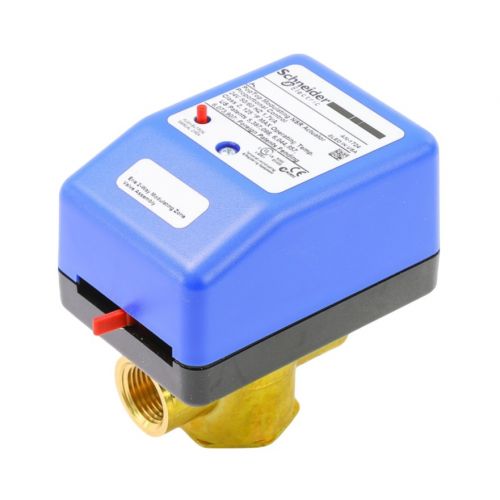 -13%Schneider Electric (Erie) VM2222T33A00T 2-Way 3-Wire Floating Modulating Zone Valve 1/2" NPT 2.0Cv NSR 24VSpecial Price $145.16 Regular Price $166.93
 -13%Schneider Electric (Erie) VT2211G13A020 1/2" N/C Two-Way Valve Sweat 1.0Cv 24VSpecial Price $99.08 Regular Price $113.95
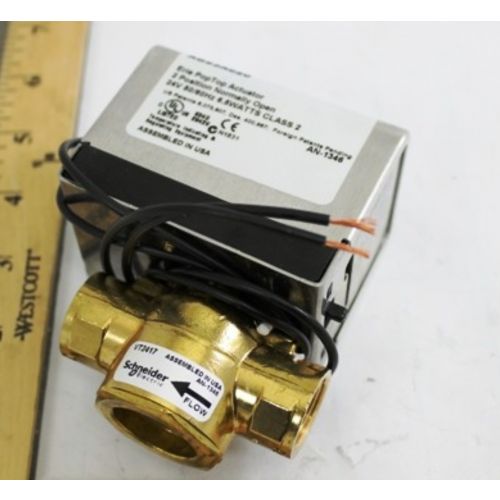 -13%Schneider Electric (Erie)-VT2417G23A020-24V 1" Sweat 2 Way N.O. Zone Valve Cv=8.0 No Aux. SwitchSpecial Price $142.18 Regular Price $163.51
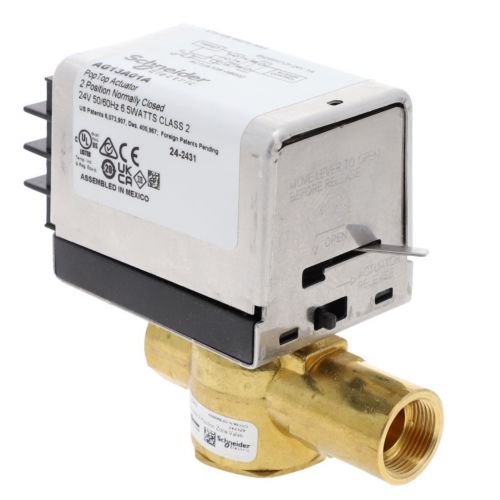 -13%Schneider Electric (Erie) VT2343G13A01A 2-Way Zone Valve NC 3/4" Flare 24VSpecial Price $107.31 Regular Price $123.41
 -13%Schneider Electric (Erie) VT2222G13B020 2-Way Zone Valve N/C 1/2" NPT 120V 2.5CvSpecial Price $111.73 Regular Price $128.49
- -13%Schneider Electric (Erie) VT2317G13A030 2-Way N/C Zone Valve 3/4" Sweat 7.0Cv 36" Wire Leads No Aux Switch 24VSpecial Price $109.89 Regular Price $126.37
- -13%Schneider Electric (Erie) VT3315G13A020 24V 3/4 Inch Swt 3-Way ValveSpecial Price $123.36 Regular Price $141.87
- -13%Schneider Electric (Erie) VT2317G13A020 2-Way N/C Zone Valve 3/4" Sweat 24VSpecial Price $108.01 Regular Price $124.21
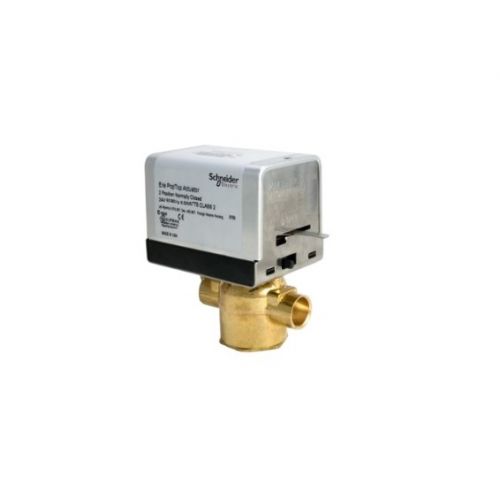
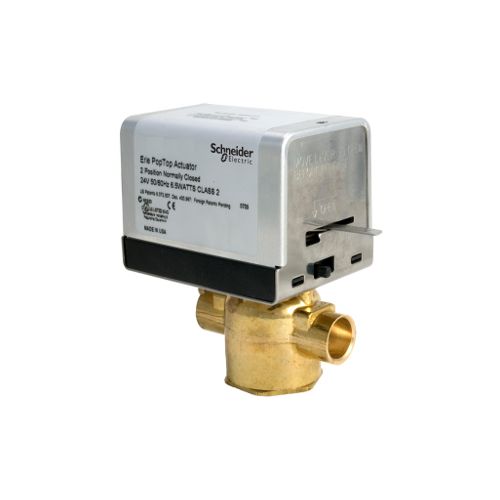
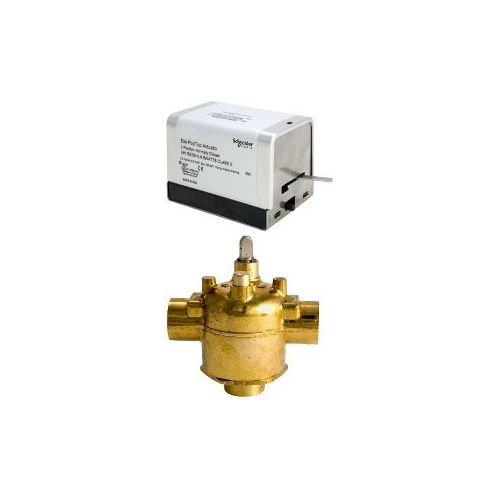
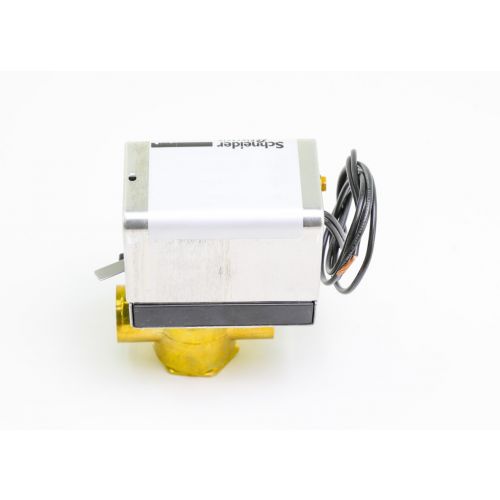
Schneider Electric Replacements for HVAC Parts & Accessories
Schneider Electric HVAC parts are designed to control and optimize heating, ventilation, and air conditioning systems. They manage temperature, airflow, and overall system performance to maintain stable conditions. These components help improve efficiency, prevent operational issues, and extend equipment lifespan. Core parts such as thermostats, controllers, sensors, and actuators are responsible for precise system monitoring and control.
Common indicators of failing Schneider Electric HVAC parts include inconsistent temperature control, unusual noises from the system, frequent shutdowns, increased energy consumption, and visible wear or damage on components. You may also notice delayed responses in heating or cooling cycles or irregular airflow that affects comfort levels. Neglecting these may lead to failures.
PartsHnC provides a complete selection of genuine HVAC replacement parts and accessories. High-quality components are readily available; we provide trusted parts, including 36" changeover switch, 277V actuator, 277V poptop motors, a damper actuator - 24V, & zone valve - 3/4" Sweat 120V & more.
FAQs
How long do these actuators typically last?
With proper maintenance, Schneider Electric valve actuators can last several years, but lifespan depends on usage frequency and operating conditions.
Why does my HVAC system overheat despite functioning?
Overheating may indicate blocked airflow, failing sensors, malfunctioning controllers, or deteriorated Schneider Electric components requiring inspection.
How do I know if an actuator is failing?
Common signs include inconsistent temperature control, unusual noises, slow or no movement, frequent system shutdowns, and visible wear or damage.
What should I do if my HVAC system isn’t heating properly?
Check sensors, actuators, and airflow; replace malfunctioning components to restore consistent temperature control and system efficiency.
Why is my system making unusual clicking sounds?
Noisy actuators, loose components, or mechanical wear may cause clicking; inspect and replace parts if necessary.
How do I identify reasons for higher-than-normal energy bills?
Worn actuators, misaligned dampers, or failing sensors may reduce efficiency; inspect and replace parts immediately.