 Loyalty Program

Packard replacement parts provide essential components like motors and contactors, ensuring HVAC and machinery performance. Packard parts maintain efficiency and prevent operational failures in industrial, commercial, and residential equipment.
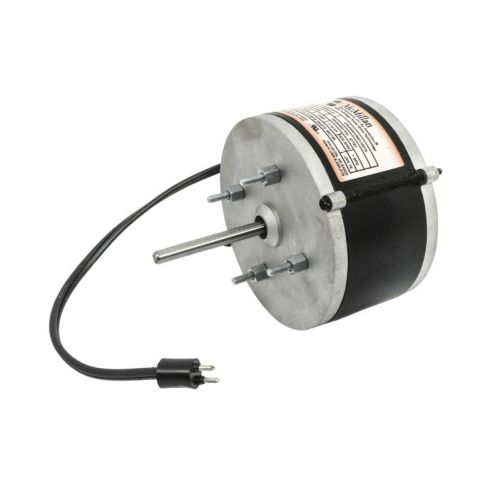 -10%
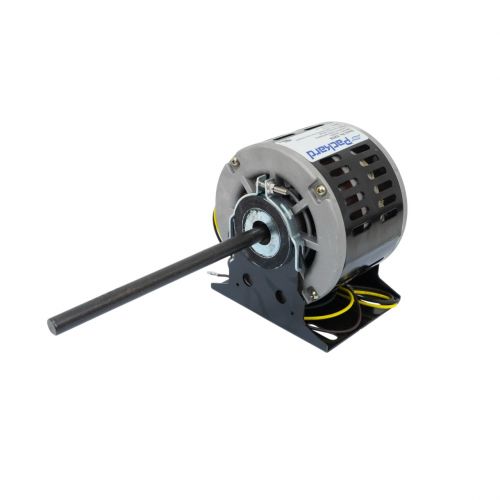
-10%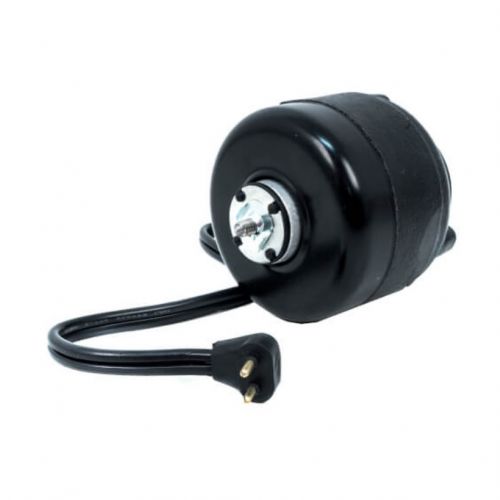 -13%Packard 65017 Unit Bearing Fan Motor CWLE 9W 1550 RPM 115VSpecial Price $73.33 Regular Price $84.32
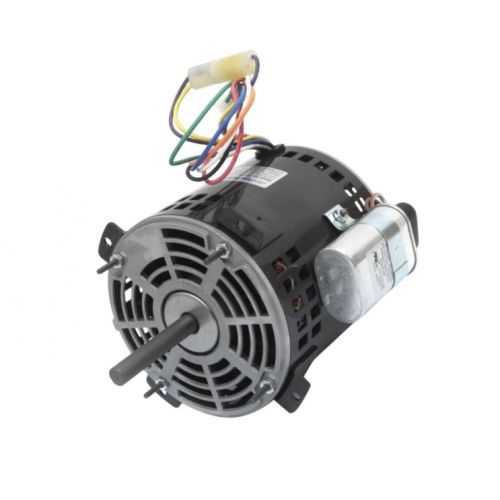 -10%Packard 63110 3/4-1/2HP PSC Motor 1625/1380 RPM 115/230VSpecial Price $288.16 Regular Price $319.85
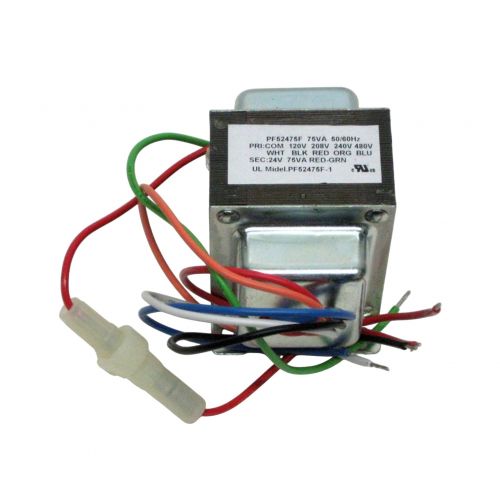 -13%
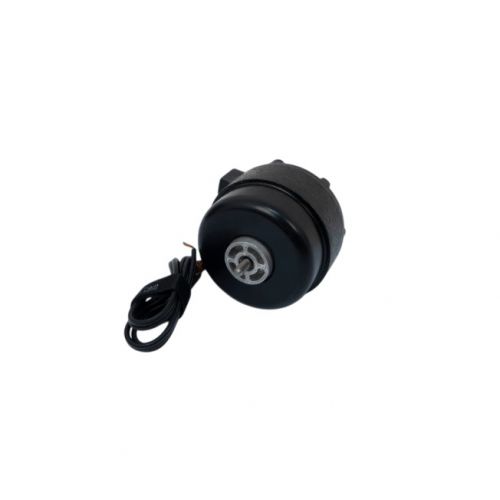
-13%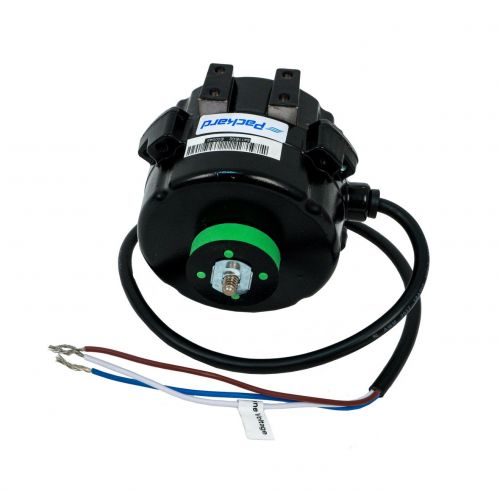 -13%Packard 5411EC2 EC Unit Bearing Motor 1550/800 RPM 115/230VSpecial Price $118.71 Regular Price $136.51
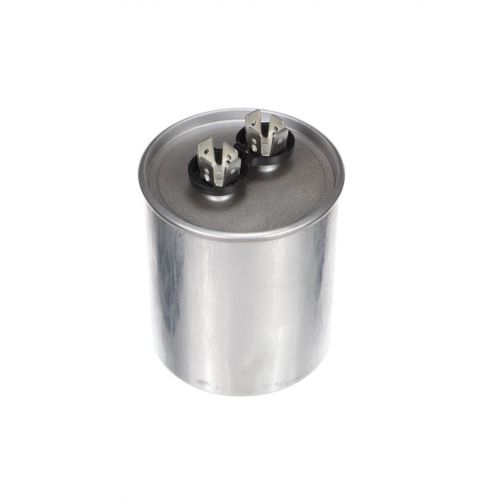
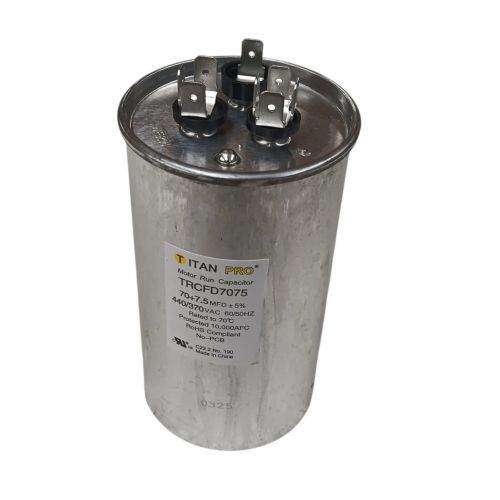
 -23%Packard TRCFD7075 Dual Round Run Capacitor 70/7.5 MFD 370-440VSpecial Price $31.25 Regular Price $40.62
- -13%
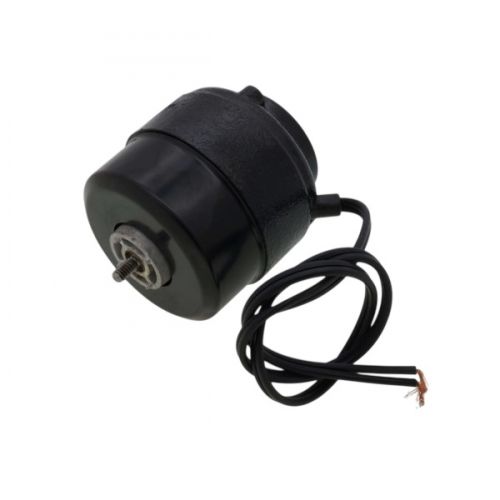
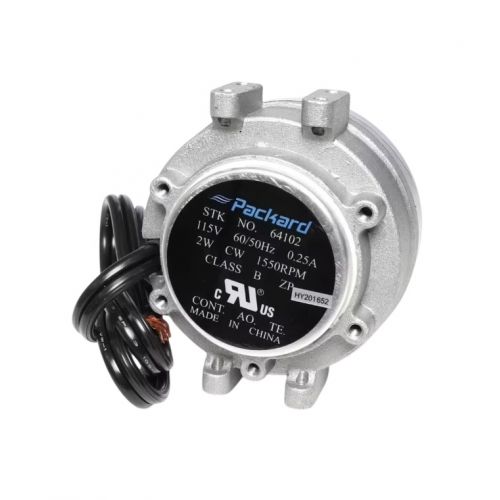
Packard Air conditioners Parts for Replacements
Packard parts include motors, unit bearings, contactors, and capacitors, each designed to maintain system performance. Packard motors convert electrical energy to mechanical energy efficiently, while capacitors support smooth motor startup. Unit bearings and contactors facilitate reliable operation in HVAC, pump, and industrial machinery. Contactor and capacitor parts enhance motor control and ensure smooth system operation.
When Packard parts fail, equipment may experience reduced performance, unusual noises, or operational interruptions. Worn motors can overheat or fail to start, while faulty capacitors cause power fluctuations. Unit bearing or contactor malfunctions may result in mechanical vibrations or inconsistent operation. Electrical components may show signs of wear, such as tripped breakers, flickering motors, or irregular voltage supply.
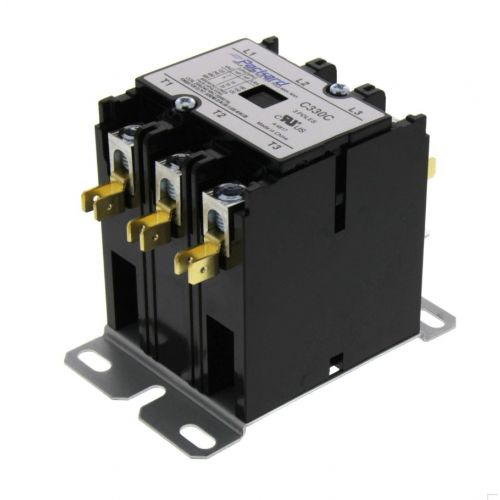
At PartsHnC, we keep a comprehensive stock of parts ready for immediate dispatch. We provide the genuine and quality Packard spare parts, including run capacitor 370/440V, 3-pole contactor 24V, draft inducer 208–230V, start capacitor 330V, & switching relay 24V, and more.
FAQs
Why is my Packard motor showing signs of overheating?
Overheating motors often emit unusual smells, excessive vibration, or fail to start due to internal winding resistance.
How do Packard capacitors improve motor startup?
Capacitors provide the necessary phase shift, enabling smooth torque generation and preventing electrical stress on motors.
What signs indicate unit bearing wear in HVAC systems?
Worn bearings produce squealing, friction, and uneven rotation and may eventually damage connected motor or fan assemblies.
How do I know if I picked the wrong voltage for capacitors or contactors?
If motors trip breakers, overheat, or fail to start, it usually means voltage ratings don’t match your system.
Why does my AC motor hum but not start after installing a new capacitor?
It usually means the start capacitor is weak or mismatched, preventing the motor from generating enough torque.
What could cause my motor to struggle or fail at startup?
A weak or faulty start capacitor limits initial torque, making the motor slow or fail to start.