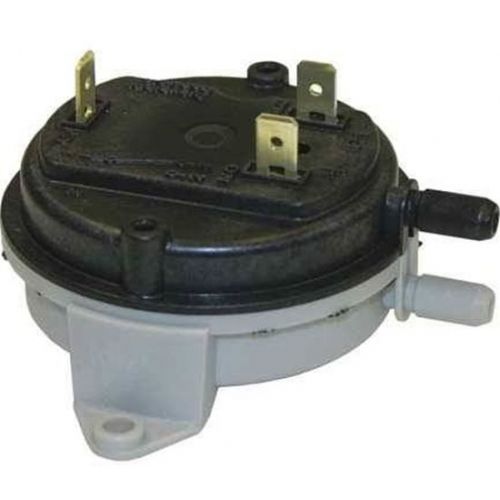
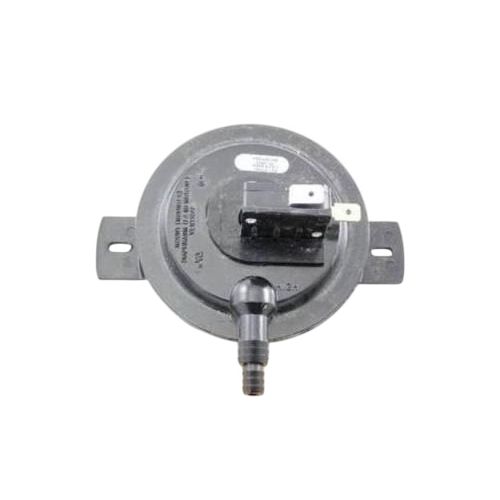
Cleveland Controls NS2-1176-00 Pressure Switch
Specifications
- Type: Pressure Switch
Loyalty ProgramPressure Detection:
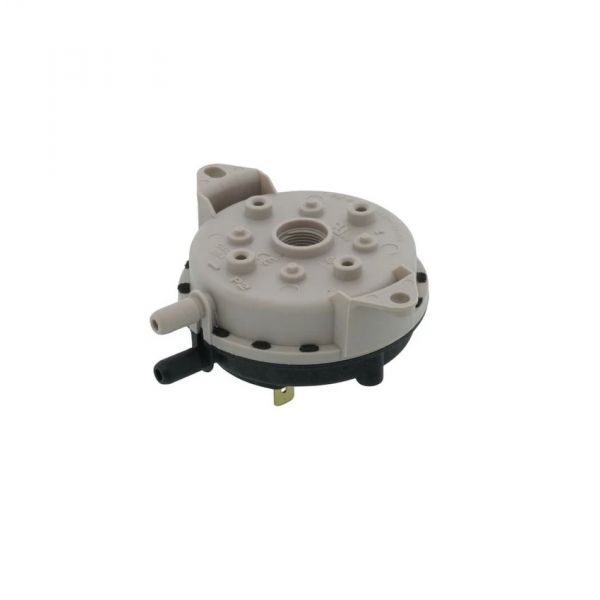
At the pressure-sensing interface, the diaphragm undergoes controlled displacement as the applied pressure changes. Its movement provides the internal mechanism with a physical position corresponding to the sensed pressure condition. The diaphragm therefore serves as the primary mechanical element within the sensing assembly, with its displacement establishing the pressure-dependent movement required by the switch construction.
Safety Monitoring:
Within the electrical interface, the contact arrangement establishes a defined circuit state for the connected equipment. The resulting continuity condition provides a discrete electrical status that can be incorporated into designated control functions. This aspect concerns contact configuration, circuit continuity, and electrical-state representation, without describing diaphragm movement or pressure sensing.
Replacement Guidelines:
Replacement requires matching Cleveland Controls NS2-1176-00 Pressure Switch sensing characteristics, switching arrangement, connection configuration, equipment requirements, and applicable HVAC control specifications. The selection should also suit the existing control circuit and monitored pressure application.
Common Failure Symptoms:
Equipment Compatibility:
The Cleveland Controls NS2-1176-00 Pressure Switch is intended for Integrates with HVAC and air-handling equipment requiring the corresponding pressure-switch configuration. Verify the equipment model, pressure-control requirements, switching arrangement, connections, and manufacturer’s documentation before purchasing.
Technical Specifications:
Brand: Cleveland Controls
Part Number: NS2-1176-00
Product Type: Pressure Switch
Step1: Turn off power to the HVAC or boiler system at the breaker and confirm it’s off.
Step2: Locate the existing pressure switch, note tubing and wire connections, then disconnect them.
Step3: Remove the old switch from its mounting bracket.
Step4: Install the new pressure switch in the same position and secure it.
Step5: Reconnect pressure/vacuum tubing and wiring to matching terminals.
Step6: Restore power and test system operation to ensure proper pressure sensing.