Facebook Pixel

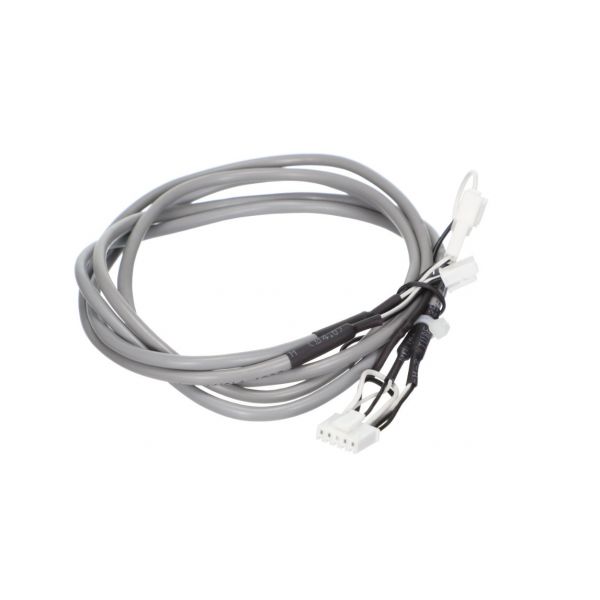
Laars Heating Systems FT1861 Communicate Cable Cascade

Special Price $21.67 Regular Price $28.17
Out of stock
SKU
FT1861
The Laars Heating Systems FT1861 Communicate Cable Cascade is a connection assembly intended for linking multiple heating units into a coordinated operating network. It provides a dependable pathway that allows connected equipment to exchange operating information, synchronize sequencing, and respond together during operation. It supports organized signal transfer between connected units, allowing coordinated performance without separate independent control in HVAC systems. Its optimized layout improves data transmission accuracy, reduces communication interruptions, maintains synchronized equipment response, supports coordinated controller interaction, and contributes to efficient operation across interconnected configurations requiring centralized management.
Manufacturer:

https://www.partshnc.com/media/catalog/product/f/t/ft1861.jpg

Specifications

  • Type: Cable Communicate Cascade
    Write Your Own Review
    You're reviewing:Laars Heating Systems FT1861 Communicate Cable Cascade
    Your Rating
    Customer Questions
    What maintenance is required for the Laars Heating Systems FT1861 Cable Communicate Cascade?

    Inspect the cable for wear, fraying, or insulation damage. Ensure all connectors are tight and free from corrosion or moisture. Regular checks help maintain accurate communication between system components. Always turn off power before inspecting or handling the cable.

    What are common issues with the Laars Heating Systems FT1861 Cable Communicate Cascade?

    • Intermittent communication failures
    • Damaged or worn cable insulation
    • Loose or corroded connectors
    • Signal interference or loss
    • Failure in cascade system coordination

    Installation Steps

    Step 1: Turn off power to the heating system to ensure safety.

    Step 2: Mount the communication cable securely between cascade units as per manufacturer guidelines.

    Step 3: Connect each end of the cable to the designated terminals, ensuring proper polarity and secure connections.

    Step 4: Verify cable routing avoids heat sources or sharp edges that could cause damage.

    Step 5: Restore power and test the cascade system to ensure units communicate and operate correctly.