 Loyalty Program

Dwyer Instruments is a global leader in HVAC and industrial sensors, controls, and instrumentation. Their products—like pressure gauges, flow meters, and IAQ monitors—ensure accurate system performance, energy efficiency, and compliance across critical applications.
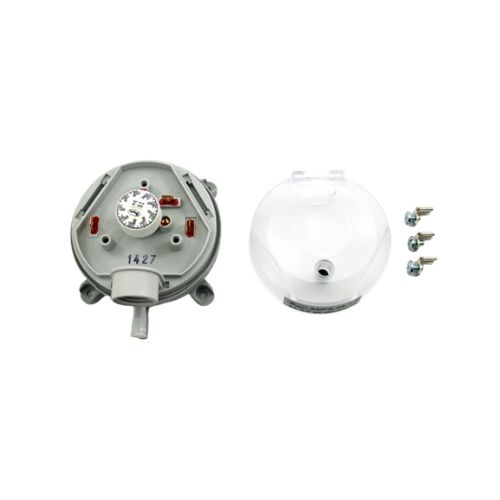 -23%Dwyer Instruments ADPS-06-1-N Differential Pressure Switch 2-10" WCSpecial Price $40.24 Regular Price $52.31
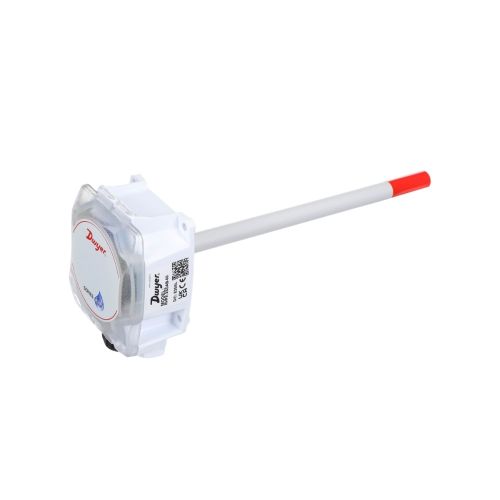 -10%Dwyer Instruments RHPX-2SDAB-00 Relative Humidity/Temperature Transmitter Duct MountSpecial Price $236.00 Regular Price $261.96
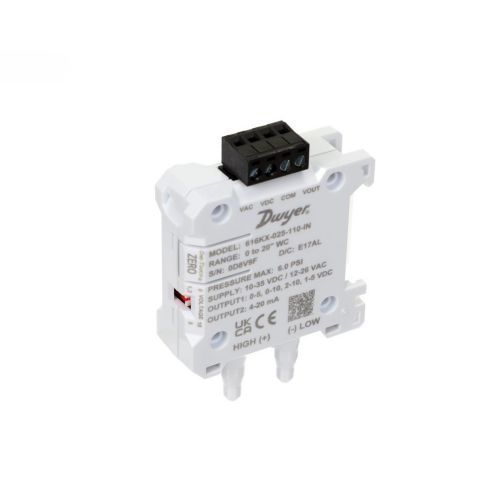 -13%Dwyer Instruments 616KX-025-110-IN Differential Pressure TransmitterSpecial Price $168.82 Regular Price $194.15
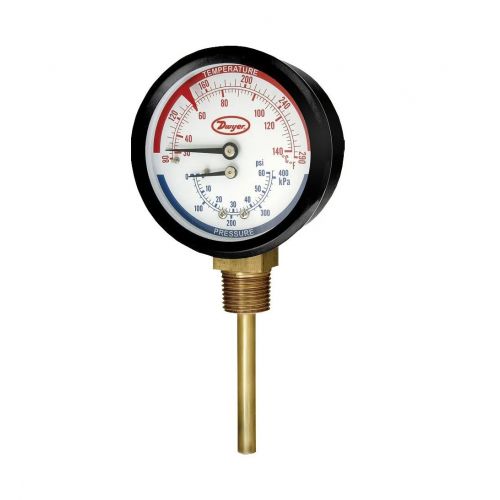 -13%Dwyer Instruments TRI-200-50 Tridicator Gage 0-200 PSI 1/2" NPT 80°F-290°F CBMSpecial Price $98.29 Regular Price $113.04
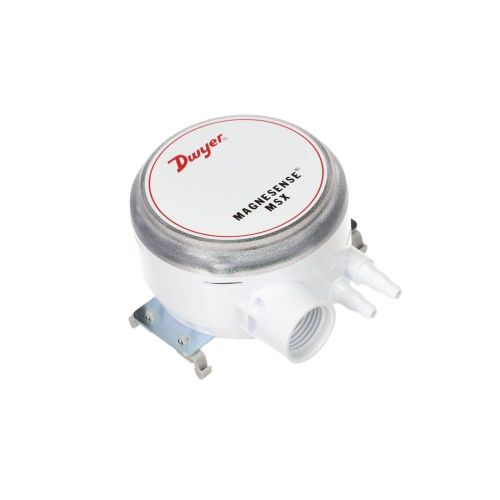 -13%Dwyer Instruments MSX-N12-IN-WO Transmitt 5" WC 1250PA 125 MMWCSpecial Price $151.46 Regular Price $174.18
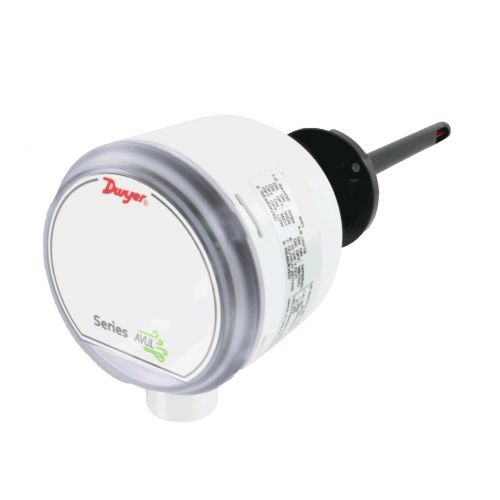 -10%Dwyer Instruments AVUL-5DA1 Air Velocity Transmitter Duct Mount 5% Accuracy 4000 FPMSpecial Price $418.02 Regular Price $464.00
 -10%Dwyer Instruments DHC-009 Differential Pressure Controller 4-20mA 10" WCSpecial Price $592.68 Regular Price $657.87
- -13%
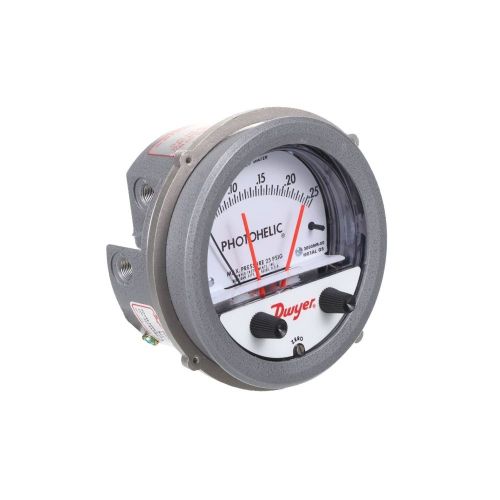
- -10%Dwyer Instruments 3000MR-00 Photohelic Differential Pressure Switch/Gauge 0-0.25" WCSpecial Price $705.19 Regular Price $782.76
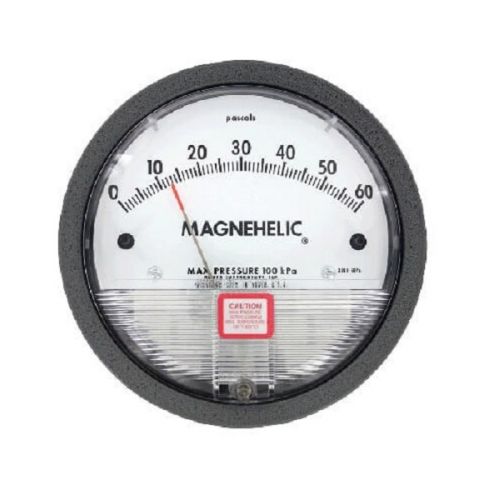
- -13%Dwyer Instruments 2002-LT Differential Pressure Gauge 0-2" WC 1/8" FPT LTSpecial Price $119.33 Regular Price $137.23
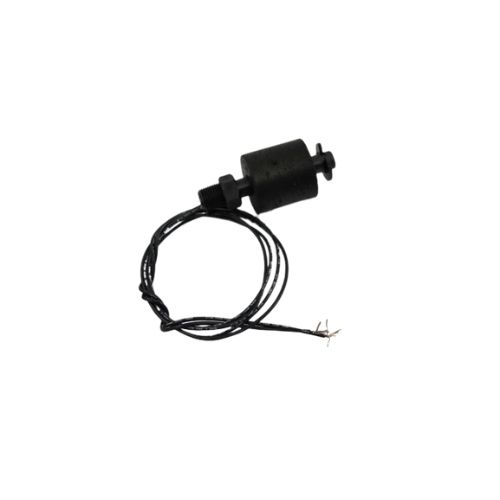
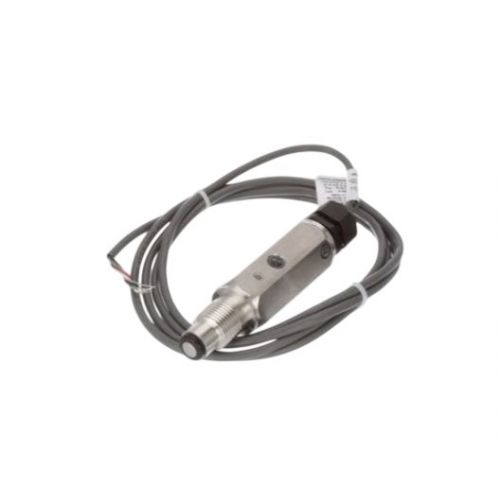
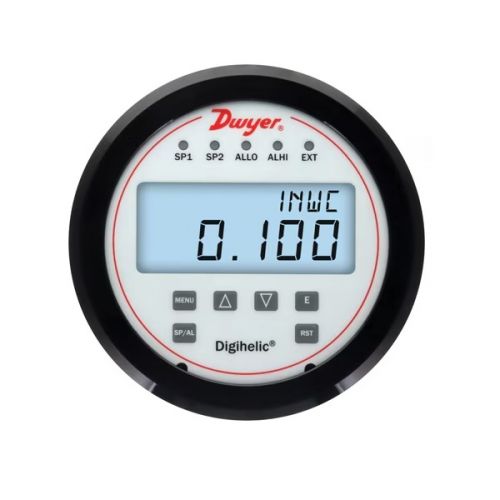
Dwyer Instruments
Dwyer Instruments is a globally recognized manufacturer of innovative sensors, controls, and instrumentation for the HVAC, industrial, and environmental markets. Dwyer’s extensive product range includes differential pressure gauges, pressure and temperature sensors, air velocity transmitters, flow meters, humidity monitors, and manometers—all essential for accurate system monitoring, energy efficiency, and regulatory compliance. Their instruments are widely used in applications such as air balancing, cleanroom control, duct static pressure monitoring, building automation, and indoor air quality systems. In addition to complete instruments, Dwyer manufactures compatible accessories and replacement parts, including diaphragms, pitot tubes, fittings, valves, and mounting hardware. Their products are known for their durability, precision, and ease of installation.
At PartsHnC, we offer a wide range of Dwyer Instruments parts, including 1/4" brass pressure snubbers, 1.0A solid core current switches, outdoor static pressure sensors, process controllers (100-240V), and Water Leak Detectors. Our inventory also includes air flow paddle switches, differential pressure controllers, flow indicator double windows (3/4" NPT), digital pressure gauges, plastic manometers (0/3" WC), and more.
FAQs
How does a Dwyer pressure switch work?
It activates or deactivates a circuit based on preset pressure levels, protecting systems from overpressure or underpressure.
What’s the difference between a Dwyer pressure transducer and transmitter?
A transducer outputs millivolt signals; a transmitter outputs amplified signals (e.g., 4–20 mA) for longer-distance accuracy.
When should I replace a Dwyer pressure gauge?
Replace if readings drift, the needle sticks, or it fails calibration — typically every 1–2 years in critical applications.
What causes failure in Dwyer flow switches?
Build-up, corrosion, or mechanical fatigue over time; regular maintenance and system cleanliness help prevent issues.