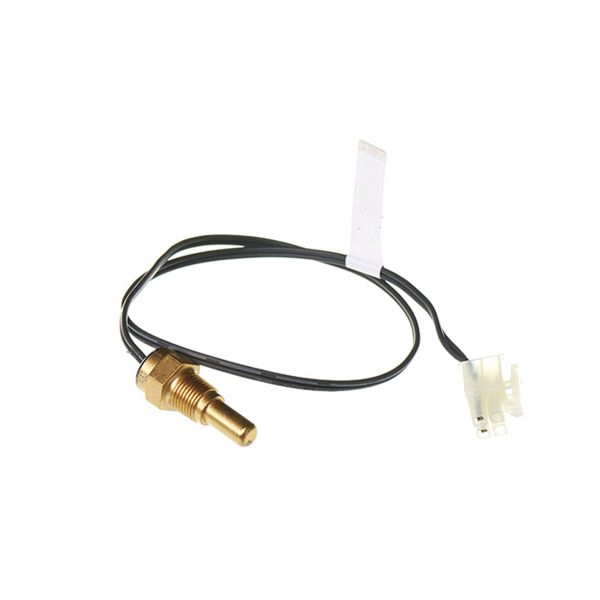
Rheem-Ruud AP19299 Thermistor
Specifications
- Type: Thermister
- Application: Temperature Sensor for Heat Pumps
- Weight: 0.05lbs
Loyalty ProgramTemperature Sensing:
Temperature changes cause the thermistor’s electrical resistance to vary according to the thermal condition at its sensing location. This response provides a measurable electrical characteristic that corresponds with the surrounding temperature. The sensing element continuously reacts to thermal changes, giving the associated equipment a consistent method of detecting temperature variation during normal operation.
Integration:
Within the equipment, the thermistor is incorporated into the designated sensing circuit through its electrical connection. Its placement allows the component to function alongside the equipment’s existing temperature-monitoring hardware without requiring a separate control arrangement. This connection establishes the physical and electrical relationship needed for the sensing component to operate as part of the overall system.
Replacement Guidelines:
Replacement requires matching the Rheem-Ruud AP19299 Thermistor characteristics, sensing requirements, connection arrangement, equipment configuration, and applicable temperature-monitoring specifications. The replacement should also suit the existing control circuit and operating conditions of the associated equipment.
Common Failure Symptoms:
Equipment Compatibility:
The Rheem-Ruud AP19299 Thermistor is intended to integrate with Rheem-Ruud equipment requiring the corresponding thermistor configuration. Verify the equipment model, sensing arrangement, electrical connections, and manufacturer’s documentation before purchasing.
Technical Specifications:
Brand: Rheem-Ruud
Part Number: AP19299
Product Type: Thermistor
Step1: Turn off power to the unit and shut off the gas or electrical supply if applicable.
Step2: Remove the access panel and locate the faulty thermistor on the heat exchanger or water line.
Step3: Disconnect the wiring connector and remove the old thermistor carefully.
Step4: Install the new thermistor in the same position and secure it properly.
Step5: Reconnect wiring, replace the panel, restore power, and verify normal system operation.