Facebook Pixel

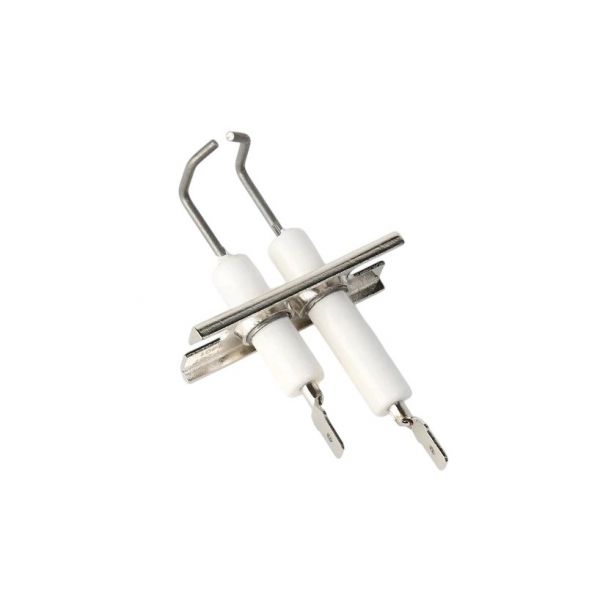
Fenwal 22-100001-067 Ignitor Sensor

Special Price $58.80 Regular Price $67.62
In stock
SKU
22-100001-067
Fenwal 22-100001-067 Ignitor Sensor is a necessary control component that is used to check and start the ignition in HVAC Systems. This sensor works on the concept of detecting the existence of a flame and notifying the framework to sustain or alter ignition sequences, which are safe to start and run. This component is used within the system to regulate the operation of the burners, avoid any damage caused by improper ignition, and provide stable, controlled operation in the normal working conditions.
https://www.partshnc.com/media/catalog/product/2/2/22-100001-067.jpg
Manufacturer Name: Fenwal
Product Number: 22-100001-067
OEM Part Number: 22-100001-067
Product Description: Ignitor Sensor
Weight:0.12lbs/54.43g

Choose the best HVAC equipment parts and supplies from PartsHnC!

  • Same Day Shipping

  • Best Quality And Best Price

  • Wide Range of Inventory

  • Best Customer Service

Have More Questions or Need Help to Place The Order?
Reach us at (866)773-0907 or [email protected]

Write Your Own Review
You're reviewing:Fenwal 22-100001-067 Ignitor Sensor
Your Rating
Customer Questions
What maintenance is required for the Fenwal 22-100001-067 Ignitor Sensor?

Inspect the ignitor sensor regularly for carbon buildup and cracking that can reduce flame detection accuracy. Ensure proper alignment within the burner flame for accurate ignition and sensing. Clean gently if needed and replace the component if flame signal becomes weak or intermittent.

What are common issues with the Fenwal 22-100001-067 Ignitor Sensor?

  • Weak or no flame signal detected by control module.
  • Cracked or damaged material insulation.
  • Carbon buildup reducing ignition accuracy.
  • Misalignment with burner flame.
  • Intermittent ignition or shutdown failures.

Installation Steps

Step 1: Switch off power and gas supply, allow system to cool.

Step 2: Remove old ignitor sensor carefully, noting wiring position.

Step 3: Mount sensor in original bracket, ensure correct alignment with flame path.

Step 4: Reconnect wiring securely, checking insulation and terminals.

Step 5: Restore power and test ignition cycle for proper flame detection.

Step 6: Verify safety operation and ensure no gas leaks before full use.