 Loyalty Program

Insulation parts are vital for commercial HVAC and air conditioning systems, helping maintain energy efficiency, reduce heat loss, and protect key components. Effective insulation helps maintain stable indoor temperatures, minimizes stress on your HVAC system, and prolongs the life of your equipment.
 -13%
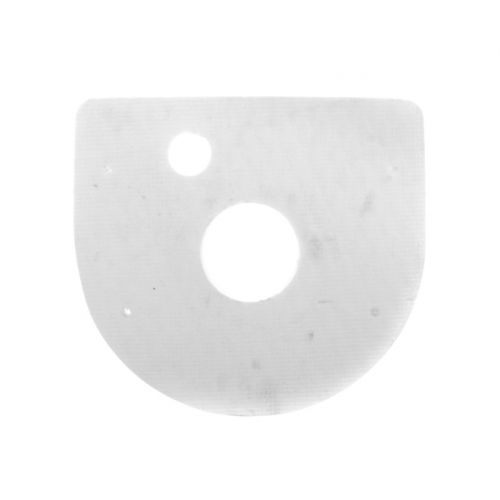
-13%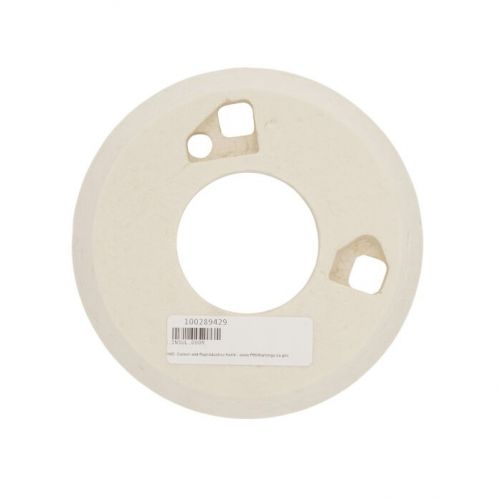 -13%Lochinvar & A.O. Smith 100289429 Burner Plate Insulation DoorSpecial Price $61.94 Regular Price $71.23Out of stock
 -13%
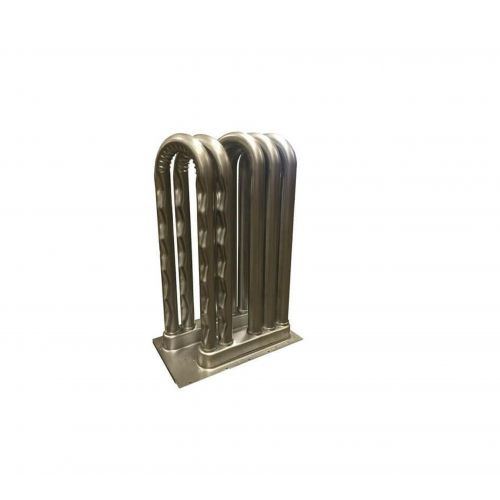
-13%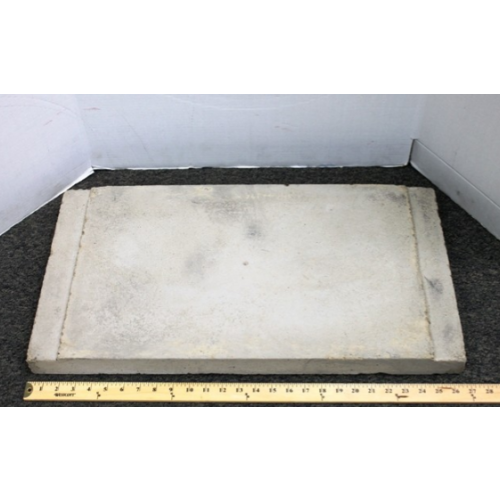 -10%Lochinvar & A.O. Smith 100137512 End Piece InsulationSpecial Price $231.74 Regular Price $257.23Out of stock
 -13%
-13%- -13%
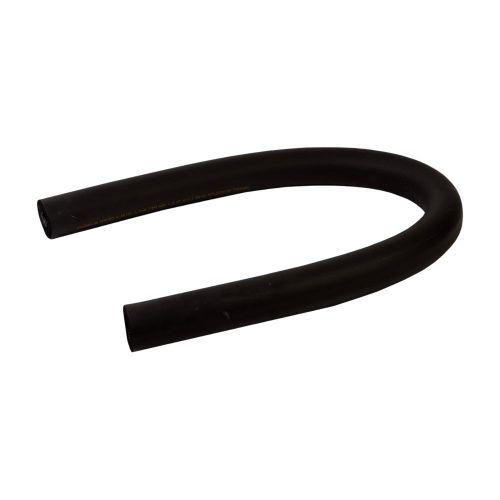
- -10%DiversiTech 7-381-18 Insulation Tubing 1-1/8" ID 3/8" WallSpecial Price $238.88 Regular Price $265.16Out of stock
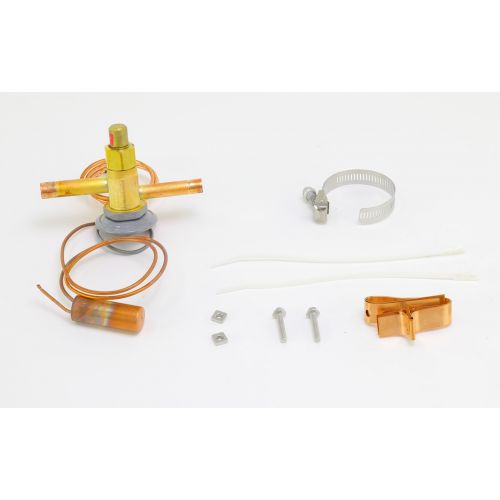
- -10%Carrier EA660002 R410A Thermal Expansion Valve Kit With InsulationSpecial Price $291.52 Regular Price $323.59
- -13%

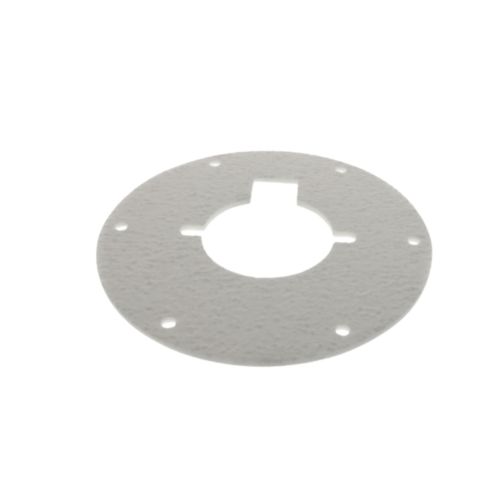
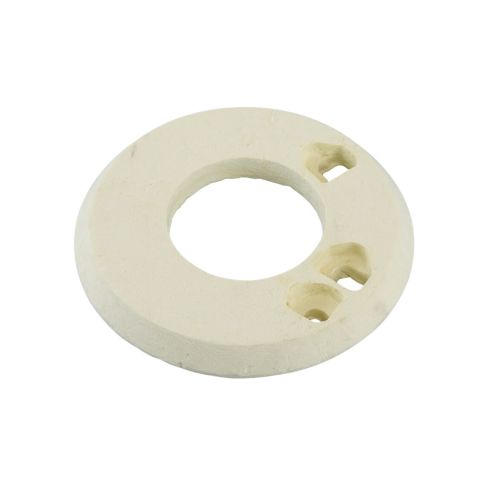
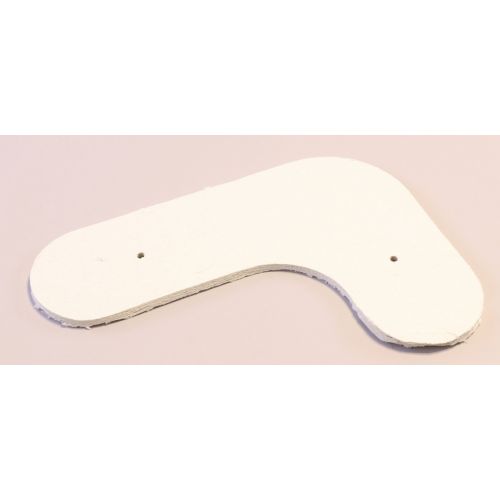
Insulation Parts for Commercial HVAC Systems
Insulation parts are essential components in commercial and residential HVAC and air conditioning systems, designed to maintain energy efficiency, reduce heat loss, and protect key components from damage. A complete Base Insulation Kit provides thermal protection for system bases and critical areas, ensuring consistent indoor temperatures and optimal system performance.
Proper air conditioner insulation and HVAC insulation help regulate temperature, minimize energy loss, and protect system components from excessive wear. Worn or damaged insulation can lead to inefficient cooling, higher energy bills, and increased strain on your HVAC system. Regular inspection and timely replacement of insulation parts ensure your system operates safely, efficiently, and delivers consistent indoor comfort year-round.
PartsHnC offers air conditioner insulation replacement parts, including drain pans, insulation tubing, tester/megohmmeters, 1-1/8 ID insulation tubing, insulation assemblies, cerafelt insulation sold per foot, pyrolite insulation disks, door insulation 185mm, and insulation boards. We carry trusted brands such as Diversitech, Daikin, Raypak, and Burnham New Yorker.
FAQs
How much does AC insulation cost?
The cost of AC insulation varies depending on the type, size, and material used. Standard insulation for residential systems can range from $50 to $200, while commercial HVAC insulation may cost more due to larger equipment and specialized materials.
What happens if the suction line is not insulated?
If the suction line is not insulated, it can lead to energy loss, reduced cooling efficiency, and potential condensation issues that may cause water damage or corrosion.
How often should HVAC insulation be replaced?
HVAC insulation should be inspected regularly and replaced if it becomes worn, damaged, or compressed. Typically, insulation lasts 10–15 years, but high usage, moisture, or physical damage may require earlier replacement to maintain energy efficiency and system longevity.
What is the best insulation material for air conditioning systems?
The best insulation materials for air conditioning systems include fiberglass, foam, and Pyrolite products. They help reduce heat loss, improve energy efficiency, and protect HVAC components from wear.
What is rectangular duct insulation used for?
Rectangular duct insulation is used to reduce heat loss or gain in HVAC systems, improve energy efficiency, and prevent condensation on duct surfaces. It helps maintain consistent indoor temperatures and protects system components.